Email: info@BSBortho.com

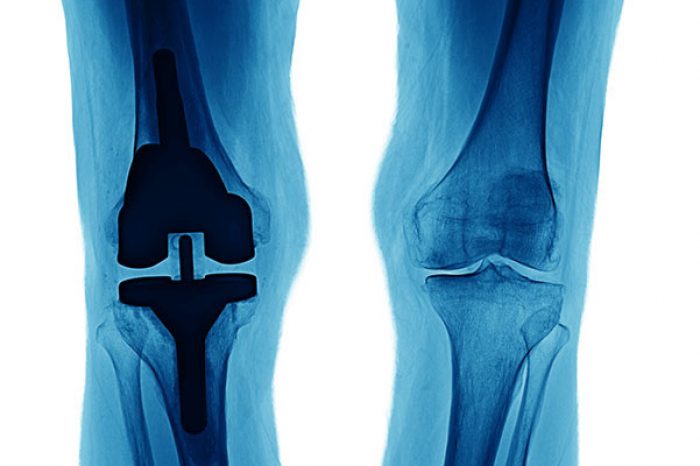

Knee pain affects tens of millions of people in the United States annually. The pain can be disabling and often negatively impacts the patient’s quality of life and function.
Viscosupplementation, or hyaluronic acid (HA) injections, is a treatment option for knee osteoarthritis that aims to improve joint lubrication and reduce pain. However, recent studies highlight some critical insights:
The American Society of Pain and Neuroscience recently published Consensus Guidelines on interventional therapies for knee pain. The purpose of these guidelines was to consolidate into one document the evidence for various modalities available, ranging from medication and physical therapy to interventional treatments and joint arthroplasty.
Single vs. Series of Injections – Studies indicate that a single injection is as effective as a multi-injection series. This means fewer doctor visits with comparable outcomes, making it a practical and cost-effective choice for many patients.
Expected Outcomes – Pain relief from HA injections typically occurs within weeks and can last several months, though results vary by individual. These injections are best suited for mild to moderate osteoarthritis and may not be effective for advanced cases.
Viscosupplementation may be a good option for those:
While viscosupplementation can provide relief, it is not a one-size-fits-all solution. Consulting a healthcare provider is essential to determine if this treatment aligns with your needs.
If knee pain is limiting your lifestyle understanding your options can help you take proactive steps toward better joint health and mobility. Learn more at:
(781) 591-7855
20 Walnut St
Suite 14
Wellesley MA 02481
How safe are PRP injections for knee arthritis? A recent study found that PRP has similar side effects to hyaluronic acid and steroid injections, with temporary post-injection pain being the most common reaction.
Read MoreKnee arthritis isn't just about cartilage. Bone marrow lesions in the bone beneath the cartilage may contribute to pain with walking, standing, and stairs. Learn what these MRI findings mean and why their location
Read More