Email: info@BSBortho.com

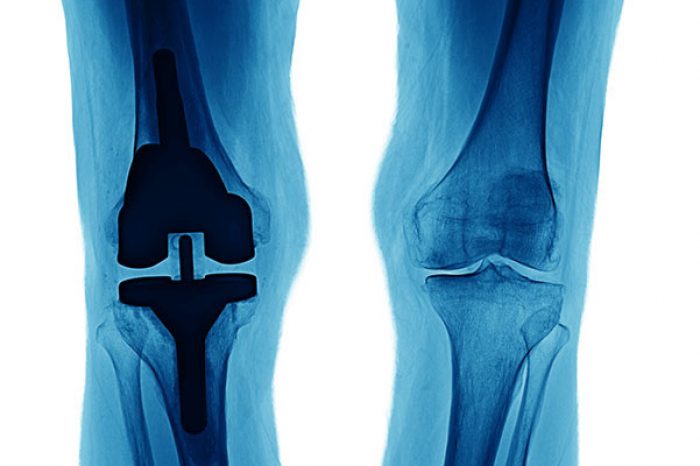
If you have knee arthritis, chances are you’ve been offered a cortisone injection. For decades, cortisone has been one of the most common treatments for knee pain.
But today, many patients are asking:
Is "stem cell" therapy better than cortisone for knee arthritis?
What about PRP vs "stem cell" knee injections?
Are there better knee injection alternatives to cortisone?
The answer isn’t one-size-fits-all. These treatments work very differently, and understanding those differences is critical before making a decision.
Let’s break it down clearly.
Knee osteoarthritis happens when the joint begins to break down over time. Cartilage thins, inflammation increases, and the bone beneath the cartilage (the subchondral bone) becomes stressed (learn more about knee osteoarthritis here).
Common symptoms include:
Aching pain with walking or stairs
Stiffness in the morning
Swelling
Decreased range of motion
Sharp pain with pivoting
Traditional treatment often starts conservatively:
Physical therapy
Activity modification
Anti-inflammatory medications
Cortisone injections
But newer biologic treatments like PRP and stem cell therapy (BMAC) aim to do more than temporarily reduce inflammation.
Intra-articular corticosteroids are potent anti-inflammatory agents that reduce inflammation, decrease swelling, and provide pain relief. They have been a standard therapy for knee osteoarthritis since the 1950s.
Cortisone:
Reduces inflammation
Decreases swelling
Temporarily calms pain signals
For many patients corticosteroid relief is temporary and diminishes over time:
Relief begins within days
Effects last 4–8 weeks
Some experience relief up to 3 months
However, relief is often temporary.
A Cochrane meta-analysis of 27 trials (1,767 participants) found pain benefits were moderate at 1-2 weeks (SMD -0.48), small to moderate at 4-6 weeks (SMD -0.41), small at 13 weeks (SMD -0.22), and no evidence of effect at 26 weeks (SMD -0.07). This supports the claim that relief typically lasts 4-8 weeks, with some patients experiencing benefit up to 3 months. (Jüni et al, 2015; da Costa et al, 2016)
An NEJM review confirms that intraarticular glucocorticoid injections are "efficacious for short-term pain relief, commonly lasting a few weeks."(Sharma, 2021)
Repeated cortisone injections may:
Provide diminishing returns
Potentially accelerate cartilage thinning with frequent use
Mask pain without addressing underlying joint degeneration
Cortisone treats inflammation — it does not support tissue repair. The evidence regarding repeated injections shows:
When people search for "stem cell"injections knee arthritis, they are usually referring to Bone Marrow Aspirate Concentrate (BMAC), learn more about BMAC here.
BMAC is created by harvesting bone marrow (typically from the iliac crest of the pelvis) and processing it via centrifugation to concentrate the cellular constituents. The concentration process enriches multiple cell populations and bioactive factors:
Mesenchymal stromal cells (often called “stem cells”): BMAC processing significantly enriches MSC populations, with approximately 4-fold increases in compared to unprocessed bone marrow aspirate. These cells are capable of chondrogenic, osteogenic, and adipogenic differentiation (El-Jawhari et al, 2020)
Platelets: BMAC processing significantly enriches platelet concentrations (Schäfer et al, 2019; Cassano et al, 2018)
Anti-inflammatory signaling molecules: BMAC hassignificantly higher IL-1Ra concentrations than PRP (13,432 pg/mL vs. 588 pg/mL; P = 0.0018), making it a potent anti-inflammatory source. (Cassano et al, 2018; Koyanagi et al, 2023)
The goal is not simply to suppress inflammation — unlike corticosteroids, which provide only anti-inflammatory effects, BMAC provides a complex mixture of cells and signaling molecules support a healthier joint environment.
Stem cell therapy (often using bone marrow aspirate concentrate) and cortisone injections work in very different ways. Cortisone reduces inflammation and provides short-term pain relief, while biologic treatments aim to support tissue repair and long-term joint health. The best treatment depends on the severity of the arthritis, the patient's activity level, and the patient's goals.
Most patients experience pain relief within a few days after a cortisone injection. Relief typically lasts 4–8 weeks, though some people may experience benefits for up to three months.
Research suggests that frequent corticosteroid injections may contribute to cartilage thinning over time. For this reason, many physicians limit how often cortisone injections are used in the same joint.
When people search for “stem cell injections,” they are usually referring to bone marrow aspirate concentrate (BMAC). This procedure concentrates cells and growth factors from bone marrow and injects them into the knee to support healing and reduce inflammation.
Some studies suggest that platelet-rich plasma (PRP) may provide longer-term symptom improvement compared with corticosteroid injections, although results vary depending on patient factors and injection protocols.
Candidates typically include patients with:
mild to moderate knee osteoarthritis
persistent pain despite physical therapy or medications
desire to delay or avoid knee replacement surgery
A consultation with a musculoskeletal specialist is required to determine candidacy.
Autologous procedures such as bone marrow aspirate concentrate (BMAC) are commonly performed under FDA guidelines for minimally manipulated cellular therapies.
Ayub S, Kaur J, Hui M, Espahbodi S, Hall M, Doherty M, Zhang W. Efficacy and safety of multiple intra-articular corticosteroid injections for osteoarthritis-a systematic review and meta-analysis of randomized controlled trials and observational studies. Rheumatology (Oxford). 2021 Apr 6;60(4):1629-1639. doi: 10.1093/rheumatology/keaa808. PMID: 33432345.
Bharadwaj UU, Lynch JA, Joseph GB, Akkaya Z, Nevitt MC, Lane NE, McCulloch CE, Link TM. Intra-articular Knee Injections and Progression of Knee Osteoarthritis: Data from the Osteoarthritis Initiative. Radiology. 2025 May;315(2):e233081. doi: 10.1148/radiol.233081. PMID: 40423542; PMCID: PMC12127947.
Cassano JM, Kennedy JG, Ross KA, Fraser EJ, Goodale MB, Fortier LA. Bone marrow concentrate and platelet rich plasma differ in cell distribution and interleukin 1 receptor antagonist protein concentration. Knee Surg Sports Traumatol Arthrosc. 2018 Jan;26(1):333-342. doi: 10.1007/s00167-016-3981-9. Epub 2016 Feb 1. PMID: 26831858.
da Costa BR, Hari R, Jüni P. Intra-articular Corticosteroids for Osteoarthritis of the Knee. JAMA. 2016 Dec 27;316(24):2671-2672. doi: 10.1001/jama.2016.17565. PMID: 28027351.
El-Jawhari JJ, Ilas DC, Jones W, Cuthbert R, Jones E, Giannoudis PV. Enrichment and preserved functionality of multipotential stromal cells in bone marrow concentrate processed by vertical centrifugation. Eur Cell Mater. 2020 Aug 4;40:58-73. doi: 10.22203/eCM.v040a04. PMID: 32749666.
Jüni P, Hari R, Rutjes AW, Fischer R, Silletta MG, Reichenbach S, da Costa BR. Intra-articular corticosteroid for knee osteoarthritis. Cochrane Database Syst Rev. 2015 Oct 22;2015(10):CD005328. doi: 10.1002/14651858.CD005328.pub3. PMID: 26490760; PMCID: PMC8884338.
Koyanagi M, Fujioka-Kobayashi M, Inada R, Yoneyama Y, Satomi T. Skin and Bone Regeneration of Solid Bone Marrow Aspirate Concentrate Versus Platelet-Rich Fibrin. Tissue Eng Part A. 2023 Mar;29(5-6):141-149. doi: 10.1089/ten.TEA.2022.0175. Epub 2023 Feb 21. PMID: 36416223.
McAlindon TE, LaValley MP, Harvey WF, Price LL, Driban JB, Zhang M, Ward RJ. Effect of Intra-articular Triamcinolone vs Saline on Knee Cartilage Volume and Pain in Patients With Knee Osteoarthritis: A Randomized Clinical Trial. JAMA. 2017 May 16;317(19):1967-1975. doi: 10.1001/jama.2017.5283. PMID: 28510679; PMCID: PMC5815012.
Samuels J, Pillinger MH, Jevsevar D, Felson D, Simon LS. Critical appraisal of intra-articular glucocorticoid injections for symptomatic osteoarthritis of the knee. Osteoarthritis Cartilage. 2021 Jan;29(1):8-16. doi: 10.1016/j.joca.2020.09.001. Epub 2020 Sep 7. PMID: 32911075.
Schäfer R, DeBaun MR, Fleck E, Centeno CJ, Kraft D, Leibacher J, Bieback K, Seifried E, Dragoo JL. Quantitation of progenitor cell populations and growth factors after bonemarrow aspirate concentration. J Transl Med. 2019 Apr 8;17(1):115. doi: 10.1186/s12967-019-1866-7. PMID: 30961655; PMCID:PMC6454687.
Sharma L. Osteoarthritis of the Knee. N Engl J Med. 2021 Jan 7;384(1):51-59. doi:10.1056/NEJMcp1903768. PMID: 33406330.
How safe are PRP injections for knee arthritis? A recent study found that PRP has similar side effects to hyaluronic acid and steroid injections, with temporary post-injection pain being the most common reaction.
Read MoreKnee arthritis isn't just about cartilage. Bone marrow lesions in the bone beneath the cartilage may contribute to pain with walking, standing, and stairs. Learn what these MRI findings mean and why their location
Read More