Email: info@BSBortho.com

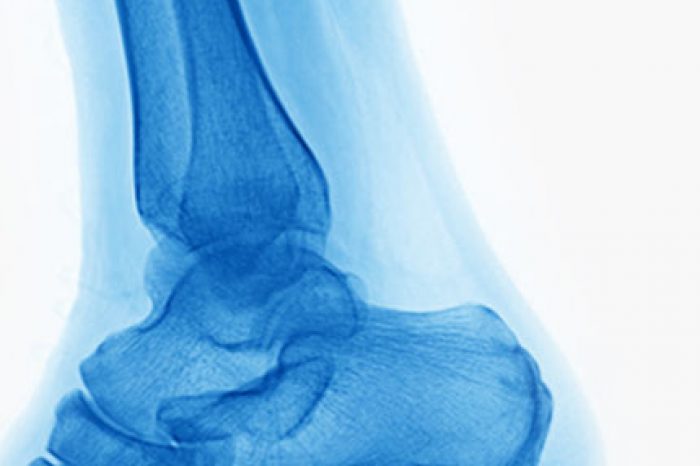
Shockwave therapy, more formally called extracorporeal shockwave therapy (ESWT), is a non-surgical treatment that uses high-energy sound waves to stimulate healing in injured tissue. Learn more about shockwave here.
Originally developed to break up kidney stones, shockwave technology has evolved into a widely used tool in orthopedics and sports medicine.
Systematic reviews demonstrate effectiveness for:
Additional indications include greater trochanteric pain syndrome, medial tibial stress syndrome, proximal hamstring tendinopathy, and fracture healing (Ioppolo et al, 2014; Reilly et al, 2018)
The treatment works by delivering mechanical energy into damaged tissue. The energy works through "mechanotransduction" rather than direct mechanical effects, triggering biological pathways that promote:
The evidence confirms two main types with distinct characteristics:
Focused shockwave therapy (F-ESWT): Provides deeper penetration with adjustable depth targeting, particularly effective for calcific tendon disease (Speed, 2014; Şenlikci et al, 2025; Ko et al, 2022)
Radial shockwave therapy (R-ESWT): Delivers more superficial effects (Speed, 2014; Şenlikci et al, 2025)
The evidence confirms typical protocols of 3-5 sessions over several weeks. A systematic review identified an optimum protocol of three treatment sessions at 1-week intervals, with 2,000 impulses per session at the highest energy flux density the patient can tolerate (Schmitz et al, 2015). However, protocols vary considerably.
Studies show dose-dependent effects, with higher energy densities generally producing better outcomes, though treatment should be individualized based on patient tolerance (Gezginaslan et al, 2021; Zhang et al, 2021).
Shockwave therapy has become increasingly popular because it fills a critical gap between conservative care and surgery.
ESWT is positioned as a secondary conservative treatment after first-line therapies have failed, but before surgical intervention.
Shockwave offers a non-invasive alternative that may stimulate healing rather than simply masking pain. Systematic reviews confirm that ESWT should be considered for tendinopathies particularly when other nonoperative treatments have failed, including physical therapy, NSAIDs, and exercise programs (Mani-Babu et al, 2015).
The evidence demonstrates that ESWT is more effective than alternative nonoperative treatments and can be used either as monotherapy or as part of a multimodal treatment plan (Mani-Babu et al, 2015; Chen et al, 2024).
From a sports medicine perspective, this is particularly appealing because:
However, despite strong clinical interest and growing research support, insurance coverage is inconsistent and often misunderstood.
In most cases, insurance does NOT cover shockwave therapy for common musculoskeletal conditions such as plantar fasciitis or tendinopathy. Even though ESWT is widely used clinically, Medicare often classifies it as:
Charles R, Fang L, Zhu R, Wang J. The effectiveness of shockwave therapy on patellar tendinopathy, Achilles tendinopathy, and plantar fasciitis: a systematic review and meta-analysis. Front Immunol. 2023 Aug 16;14:1193835. doi: 10.3389/fimmu.2023.1193835. PMID: 37662911; PMCID: PMC10468604.
Chen J, Zhang X, Wang Y, Chen Z. A Treatment Protocol for Achilles Tendinopathy with Extracorporeal Shockwave Therapy. J Vis Exp. 2024 Aug 2;(210). doi: 10.3791/66010. PMID: 39158274.
Chen RF, Chang CH, Wang CT, Yang MY, Wang CJ, Kuo YR. Modulation of vascular endothelial growth factor and mitogen-activated protein kinase-related pathway involved in extracorporeal shockwave therapy accelerate diabetic wound healing. Wound Repair Regen. 2019 Jan;27(1):69-79. doi: 10.1111/wrr.12686. Epub 2018 Dec 7. PMID: 30394625.
d'Agostino MC, Craig K, Tibalt E, Respizzi S.Shock wave as biological therapeutic tool: From mechanical stimulation to recovery and healing, through mechanotransduction. Int J Surg. 2015 Dec;24(Pt B):147-53. doi: 10.1016/j.ijsu.2015.11.030. Epub 2015 Nov 28. PMID: 26612525.
Gezginaslan Ö, Başar G. Comparison of Effectiveness of Density and Number of Sessions of Extracorporeal Shock Wave Therapy in Plantar Fasciitis Patients: A Double-Blind, Randomized-Controlled Study. J Foot Ankle Surg. 2021 Mar-Apr;60(2):262-268. doi: 10.1053/j.jfas.2020.08.001. Epub 2020 Aug 7.PMID: 33191061.
Hatanaka K, Ito K, Shindo T, Kagaya Y, Ogata T, Eguchi K, Kurosawa R, Shimokawa H. Molecular mechanisms of the angiogenic effects of low-energy shock wave therapy: roles of mechanotransduction. Am J Physiol Cell Physiol. 2016 Sep 1;311(3):C378-85. doi: 10.1152/ajpcell.00152.2016. Epub 2016 Jul 13. PMID: 27413171.
Ioppolo F, Rompe JD, Furia JP, Cacchio A. Clinical application of shock wave therapy (SWT) in musculoskeletal disorders. Eur J Phys Rehabil Med. 2014 Apr;50(2):217-30. Epub 2014 Mar 26. PMID: 24667365.
Ko NY, Chang CN, Cheng CH, Yu HK, Hu GC. Comparative Effectiveness of Focused Extracorporeal versus Radial Extracorporeal Shockwave Therapy for Knee Osteoarthritis-Randomized
Controlled Study. Int J Environ Res Public Health. 2022 Jul 24;19(15):9001. doi: 10.3390/ijerph19159001. PMID: 35897371; PMCID: PMC9332723.
Korakakis V, Whiteley R, Tzavara A, Malliaropoulos N. The effectiveness of extracorporeal shockwave therapy in common lower limb conditions: a systematic review including quantification of patient-rated pain reduction. Br J Sports Med. 2018 Mar;52(6):387-407. doi: 10.1136/bjsports-2016-097347. Epub 2017 Sep 27. PMID: 28954794.
Liu T, Shindel AW, Lin G, Lue TF. Cellular signaling pathways modulated by low-intensity extracorporeal shock wave therapy. Int J Impot Res. 2019 May;31(3):170-176. doi: 10.1038/s41443-019-0113-3. Epub 2019 Jan 22. PMID: 30670837; PMCID: PMC6587965.
Mani-Babu S, Morrissey D, Waugh C, Screen H, Barton C. The effectiveness of extracorporeal shock wave therapy in lower limb tendinopathy: a systematic review. Am J Sports Med. 2015 Mar;43(3):752-61. doi: 10.1177/0363546514531911. Epub 2014 May 9. PMID: 24817008.
Mariotto S, de Prati AC, Cavalieri E, Amelio E, Marlinghaus E, Suzuki H. Extracorporeal shock wave therapy in inflammatory diseases: molecular mechanism that triggers anti-inflammatory action. Curr Med Chem. 2009;16(19):2366-72. doi: 10.2174/092986709788682119. PMID: 19601786.
Reilly JM, Bluman E, Tenforde AS. Effect of Shockwave Treatment for Management of Upper and Lower Extremity Musculoskeletal Conditions: A Narrative Review. PM R. 2018 Dec;10(12):1385-1403. doi: 10.1016/j.pmrj.2018.05.007. Epub 2018 Jun 1. PMID: 29775801.
Rhim HC, Shin J, Kang J, Dyrek P, Crockett Z, Galido P, Wade C, Hollander K, Borg-Stein J, Sampson S, Tenforde AS. Use of extracorporeal shockwave therapies for athletes and physically active individuals: a systematic review. Br J Sports Med. 2024 Feb 7;58(3):154-163. doi: 10.1136/bjsports-2023-107567. PMID: 38228375.
Şenlikci HB, Yücealp Ö, Borman P, Ince Keskin Z, Gümüş Atalay S, Yaşar E. Comparison of the efficacy of radial and focused extracorporeal shock-wave therapy (ESWT) in myofascial pain syndrome: a randomized, sham-controlled study. Lasers Med Sci. 2025 Oct 3;40(1):404. doi: 10.1007/s10103-025-04676-5. PMID: 41042302.
Schmitz C, Császár NB, Milz S, Schieker M, Maffulli N, Rompe JD, Furia JP. Efficacy and safety of extracorporeal shock wave therapy for orthopedic conditions: a systematic review on studies listed in the PEDro database. Br Med Bull. 2015;116(1):115-38. doi: 10.1093/bmb/ldv047. Epub 2015 Nov 18. PMID: 26585999; PMCID: PMC4674007.
Speed C. A systematic review of shockwave therapies in soft tissue conditions: focusing on the evidence. Br J Sports Med. 2014 Nov;48(21):1538-42. doi: 10.1136/bjsports-2012-091961. Epub 2013 Aug 5. PMID: 23918444.
Zhang YF, Liu Y, Chou SW, Weng H. Dose-related effects of radial extracorporeal shock wave therapy for knee osteoarthritis: A randomized controlled trial. J Rehabil Med. 2021 Jan 13;53(1):jrm00144. doi: 10.2340/16501977-2782. PMID: 33367924; PMCID: PMC8772366.
Learn how ultrasound-guided percutaneous fasciotomy may revolutionize treatment for chronic exertional compartment syndrome with faster recovery and smaller incisions.
Read MoreResearchers used artificial intelligence and natural language processing to identify Shoulder Injury Related to Vaccine Administration (SIRVA) cases from over 3.7 million vaccinations. Learn what the study found, how
Read More