Email: info@BSBortho.com

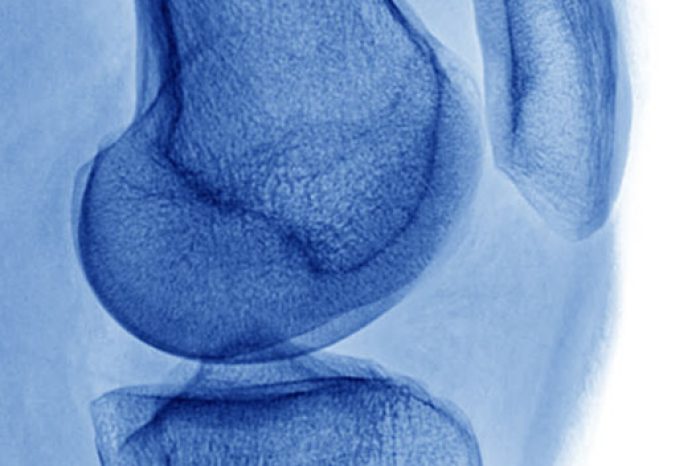

Patellar tendinopathy remains one of the more frustrating conditions in sports medicine—especially when patients fail eccentric loading and injection-based therapies. A 2020 case series by Baria and colleagues takes a closer look at a minimally invasive option -ultrasound-guided tendon scraping.
Baria et al. evaluated a small cohort of patients with chronic patellar tendinopathy treated with ultrasound-guided scraping (Baria et al, 2020). The study included 6 patients (7 tendons), with a mix of competitive and recreational athletes, including one patient who had persistent pain despite prior surgery
The procedure targets the interface between the patellar tendon and Hoffa’s fat pad, not the tendon itself. Using ultrasound guidance, a needle is used to mechanically separate this plane, disrupting neovessels and nerve ingrowth thought to drive pain.
This aligns with the broader “neovascular pain” model popularized in Achilles work and more recent patellar tendon interventions. Learn more here.
1. Patients Demonstrated Meaningful Clinical Improvement
At final follow-up (~13 months):
That magnitude of change is notable, especially in a chronic, treatment-resistant population.
2. Patients Demonstrated Rapid Return to Sport
One of the more compelling findings:
This makes scraping particularly interesting for in-season athletes.
3. Favorable Safety Profile
By targeting this interface, scraping offers a mechanism-based interventio, minimal disruption of tendon structure, and offers a bridge between conservative care and surger.
Baria et al. provides early but compelling evidence that tendon scraping may offer meaningful symptom relief with rapid recovery and low risk. While larger studies are needed, this technique represents a promising addition to the treatment algorithm for chronic patellar tendinopathy, especially when traditional approaches fall short.
Baria, Michael R, Evan Plunkett, Meghan M. Miller, James R. Borchers, T.L. Miller and Robert A. Magnussen. “Ultrasound-guided Percutaneous Tendon Scraping: A Novel Technique for Treating Patellar Tendinopathy.” Techniques in Orthopaedics 36 (2020): 386 - 390.
How safe are PRP injections for knee arthritis? A recent study found that PRP has similar side effects to hyaluronic acid and steroid injections, with temporary post-injection pain being the most common reaction.
Read MoreKnee arthritis isn't just about cartilage. Bone marrow lesions in the bone beneath the cartilage may contribute to pain with walking, standing, and stairs. Learn what these MRI findings mean and why their location
Read More